

![[ SOURCES ]](https://storage.ghost.io/c/7e/56/7e5633bd-4313-42d4-9b1f-cf14fc05f342/content/images/size/w100/2026/04/281D898A-3234-43E7-9297-2302943D5349.jpeg)
c. 4.5 MYA
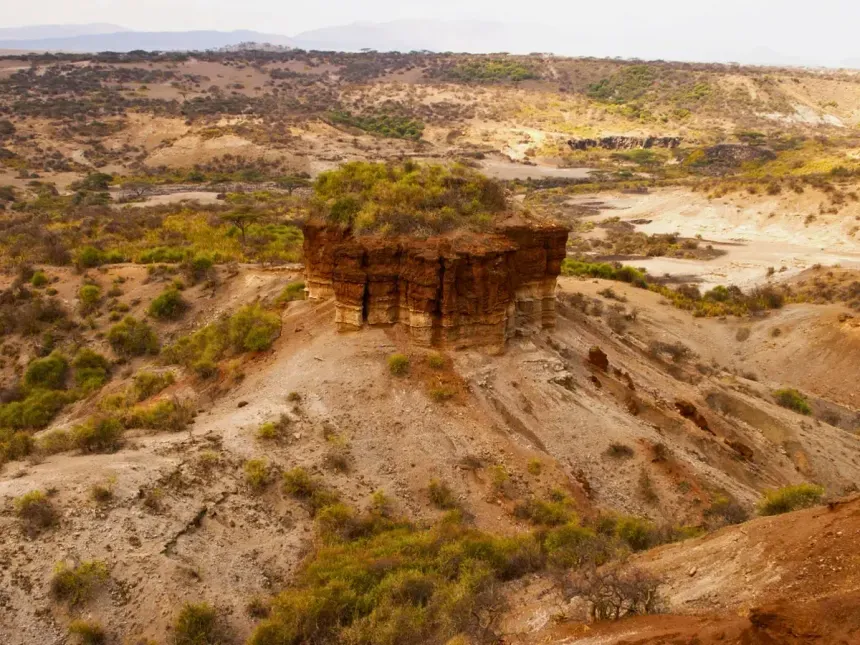
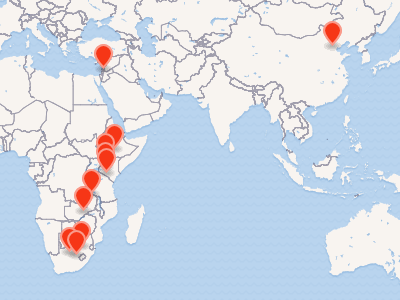
Emergence of an early ancestor of modern humans, Ardipithecus ramidus, in Ethiopia. [ Olduvai Gorge, Ethiopia ]
C. 4.2 MYA
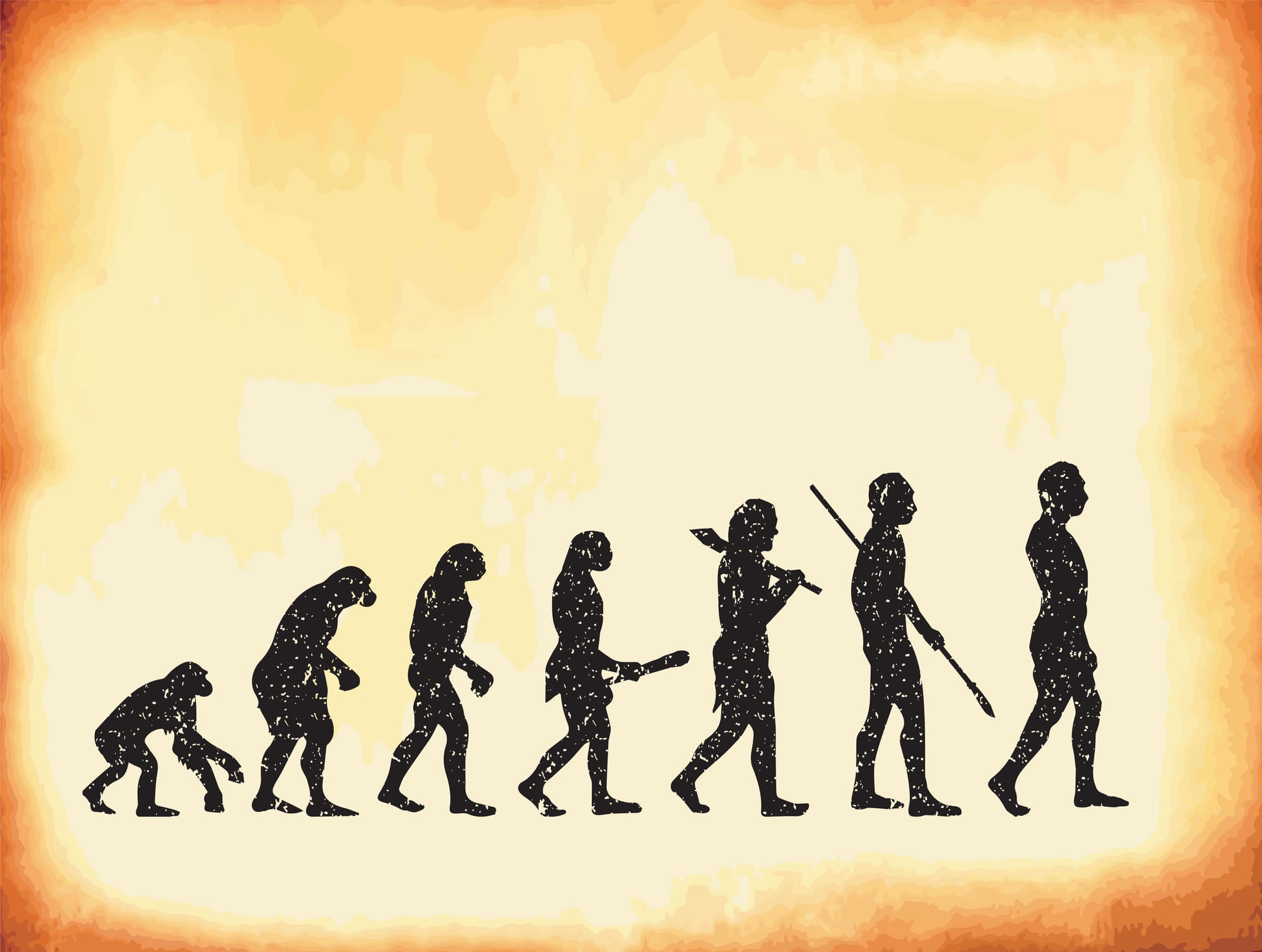
Earliest of the australopithecines ("southern ape-humans"), East Africa; walks on two feet, has a brain one-third the size of modern humans.
c. 3 MYA
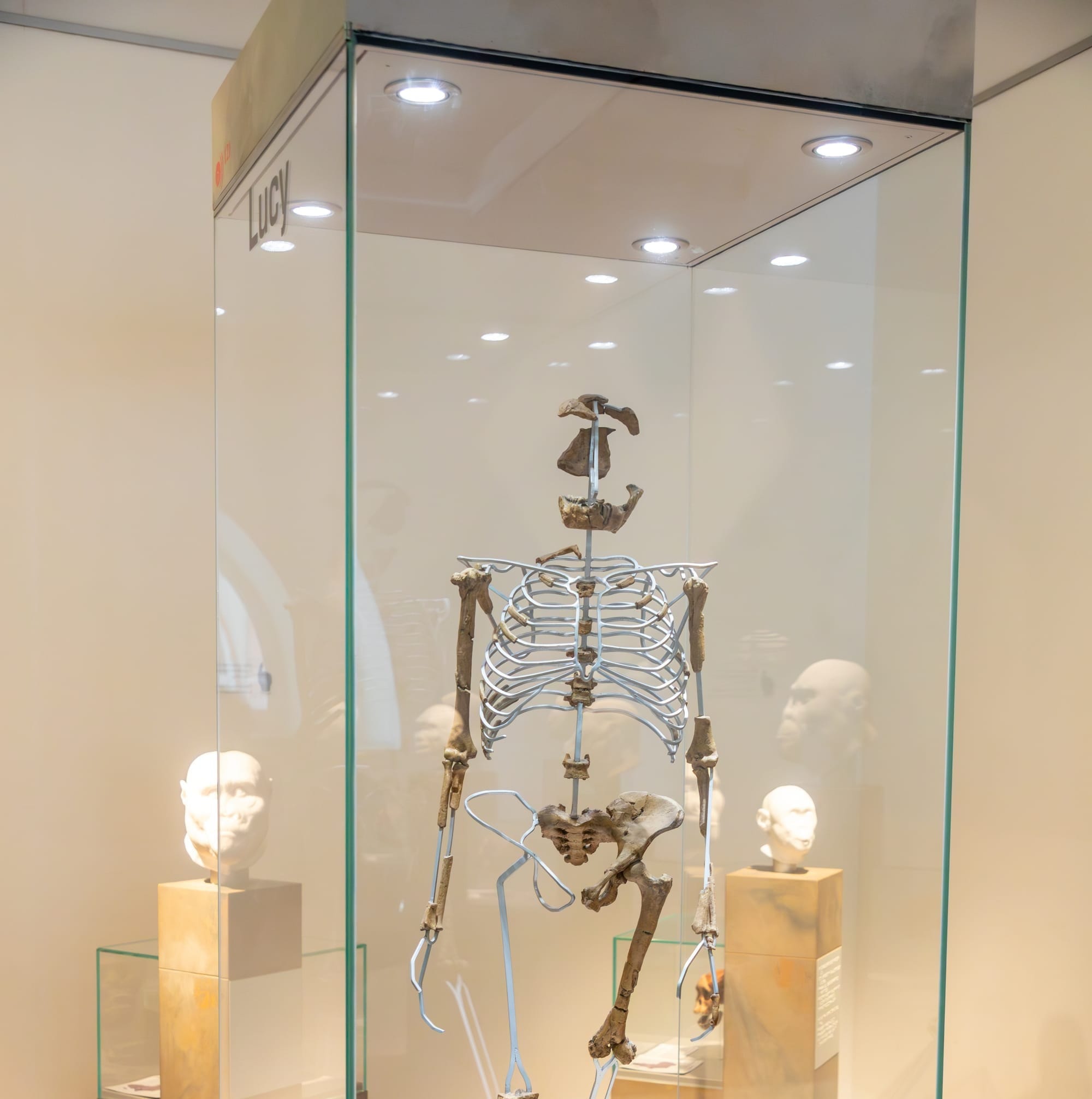
Australopithecus afarensis, known as "Lucy," lives in East Africa. [

c. 2.5 MYA
First genus of human, homo habilis, Olduvai Gorge, East Africa. [ CGI not AI. ]

c. 2.75 - 1 MYA
Earliest known stone tools found, Ethiopia. Meat now apparently a central part of energy-rich diet of hominins.
c. 1.8 MYA - 500,000 YA
Evidence of deliberate use of fire. [ Discovered sites with early fire use. ]

c. 1 MYA
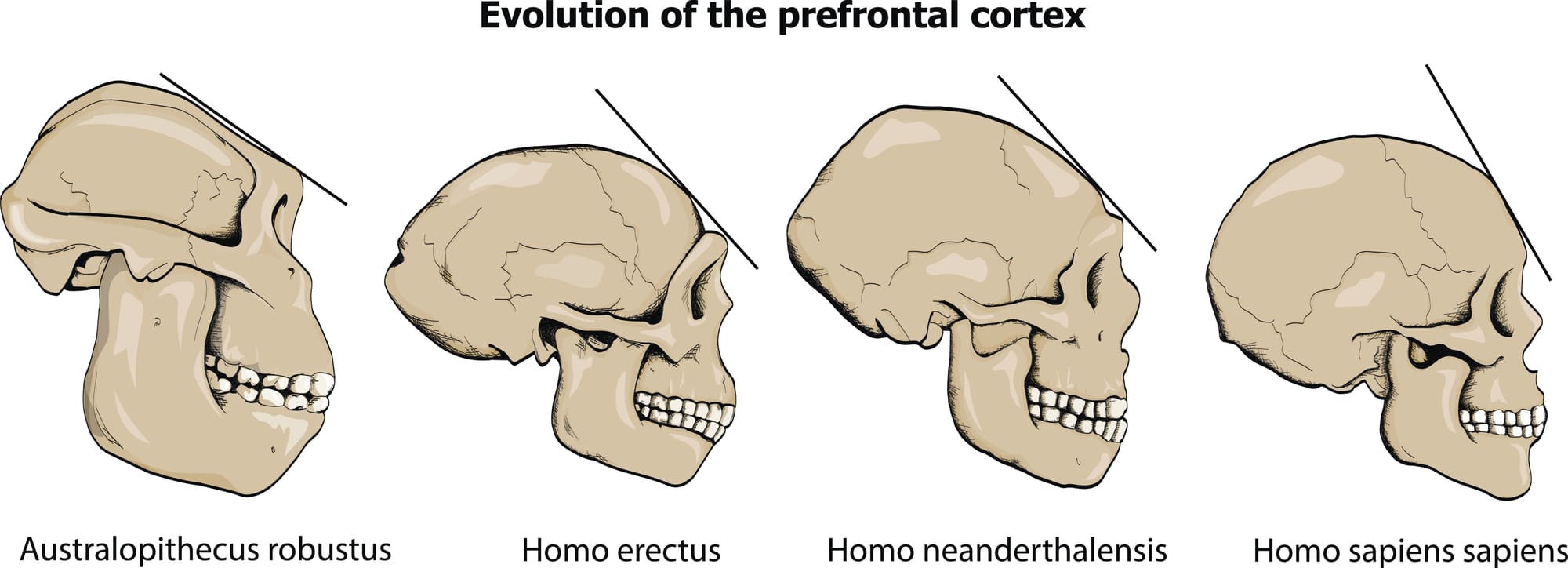
Homo erectus well established in North Africa and Middle East.

c. 600,000 YA
Homo heidelbergensis flourishes in Central Europe; introduces Acheulean stone tools (carefully flaked on both surfaces).

c. 350,000 YA
Homo neanderthalensis emerges in Europe.

c. 150,000 YA
Emergence of first Homo sapiens, Africa, subsequently coexists with Homo erectus in Asia and Homo neanderthalensis in Europe and Middle East.

c. 70,000 YA
Population spread halted, possible due to catastrophic volcanic eruption of Toba, Sumatra; global temperatures lowered for a millennium.
c. 30,000 YA
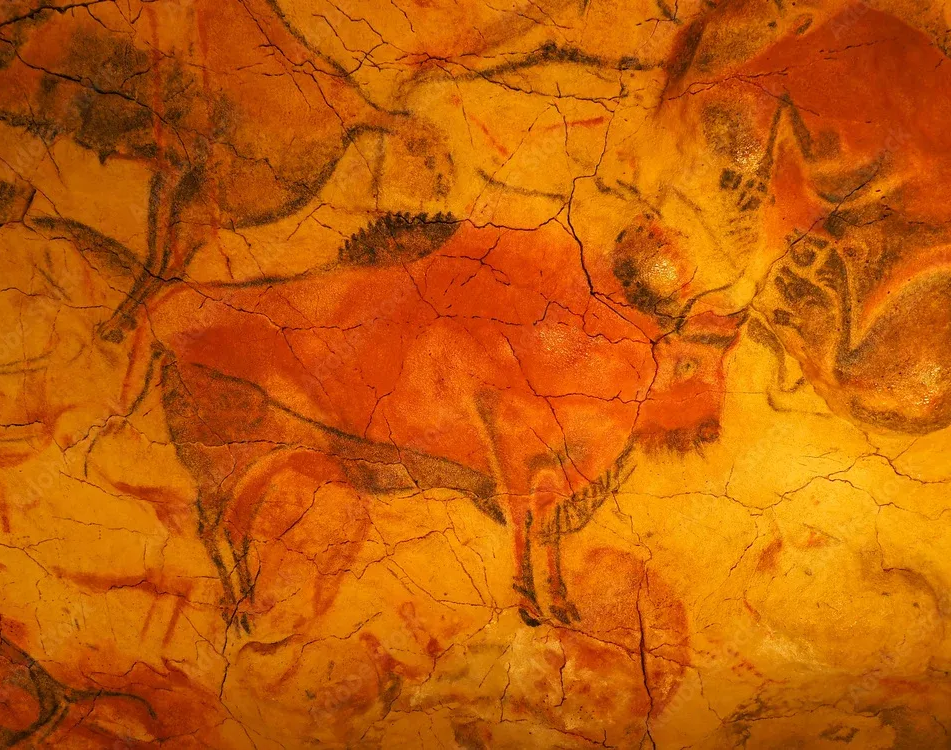
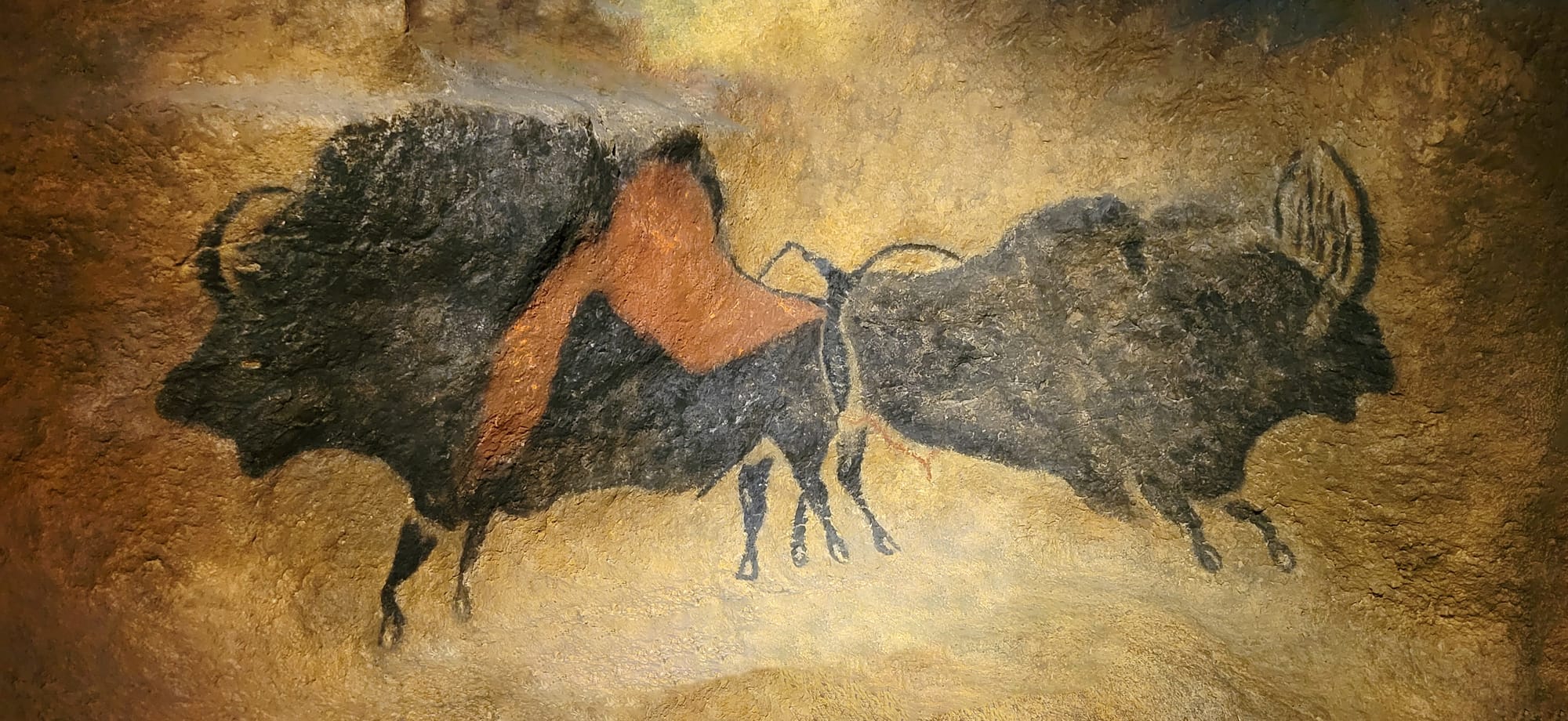
Cro-Magnon cave art and decorated artifacts in Western and Central Europe. [ WHAT CAVE IT THIS? ]
c. 24,000 YA
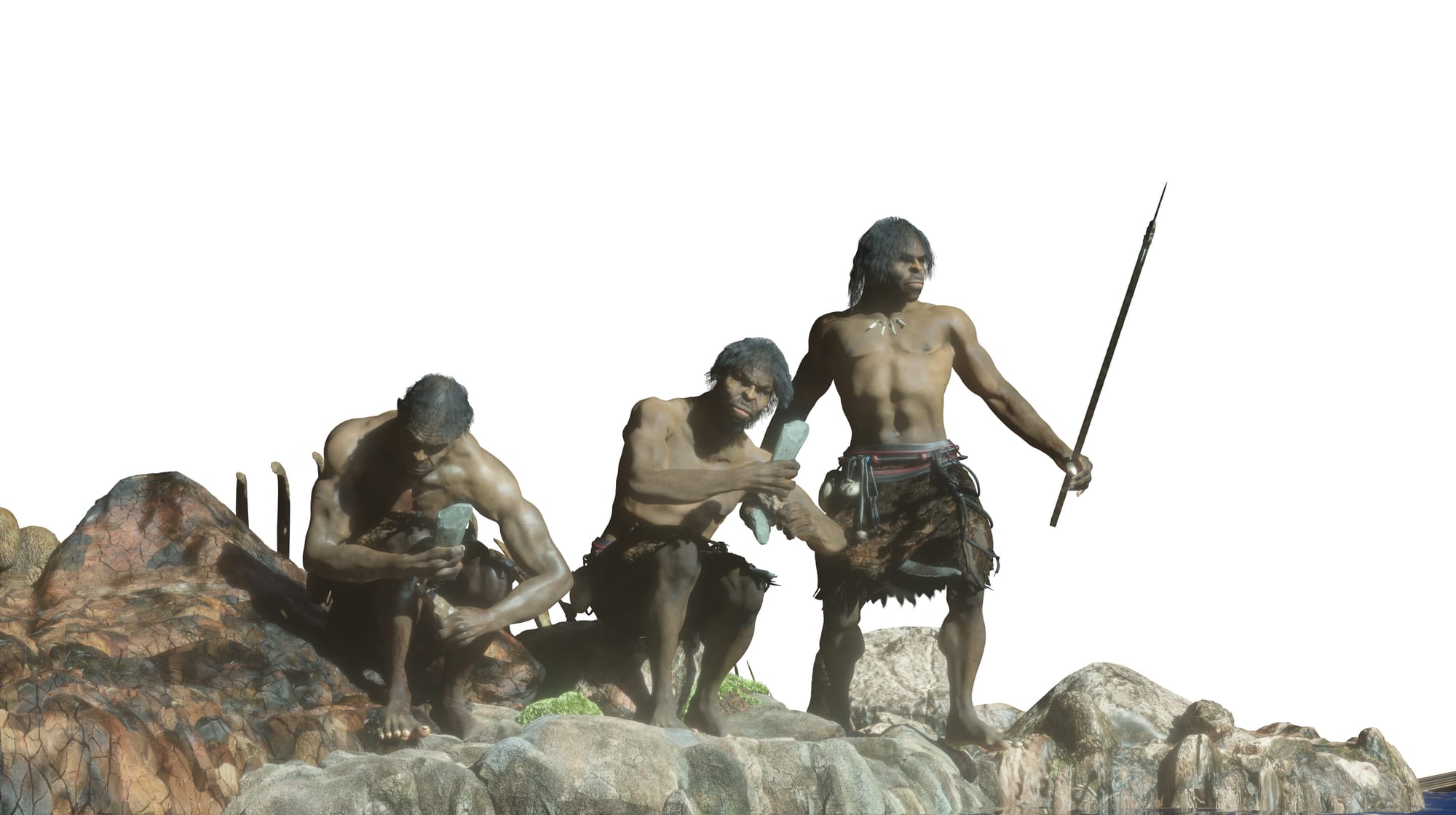
Disappearance of Homo neanderthalensis.
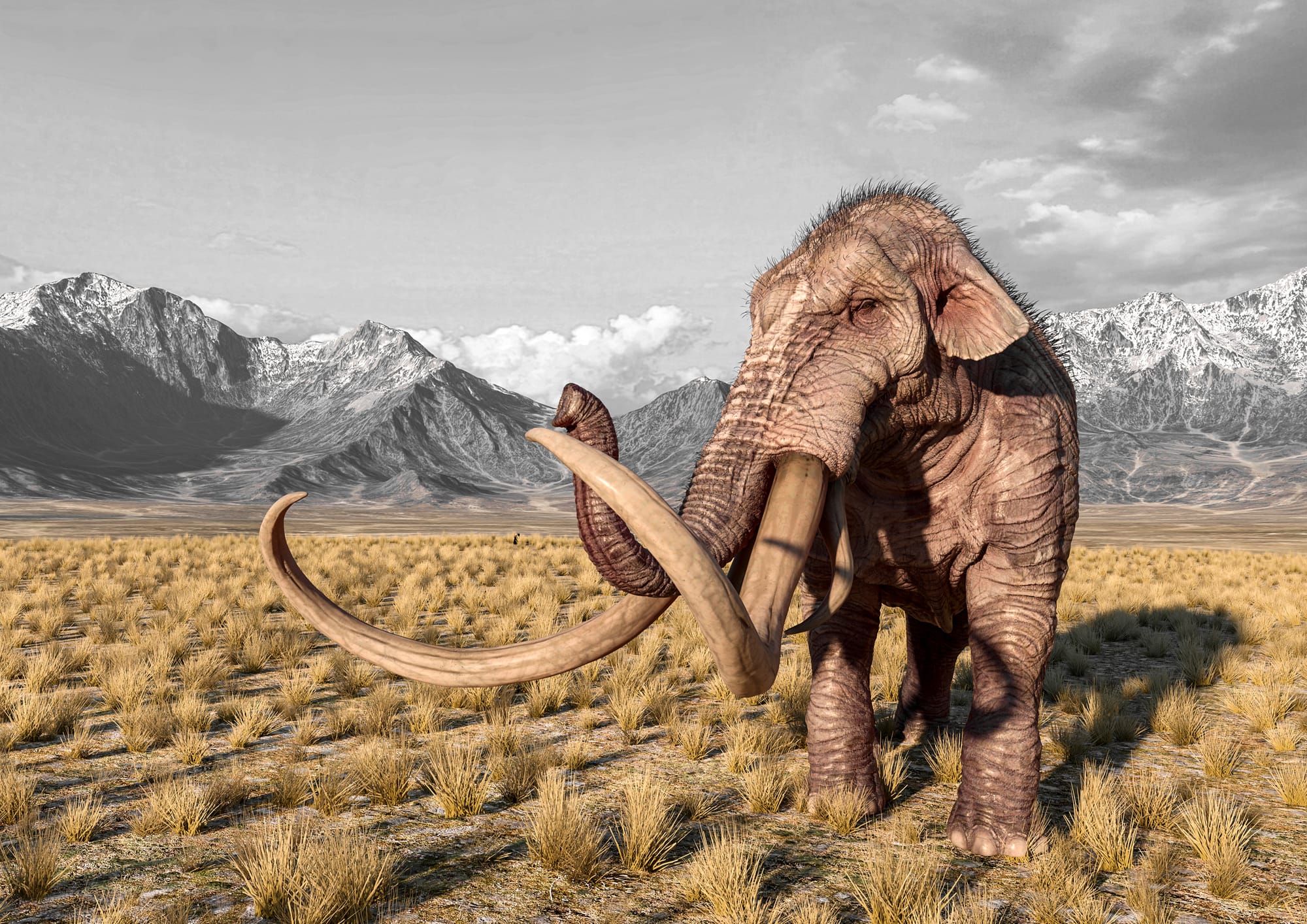
c. 20,000 YA
Ice Age populations live by hunting and gathering, building shelters from available resources.
WHY DO HISTORIANS MAKE 10,000 the cut off for YA / BCE? [ drop a comment ]
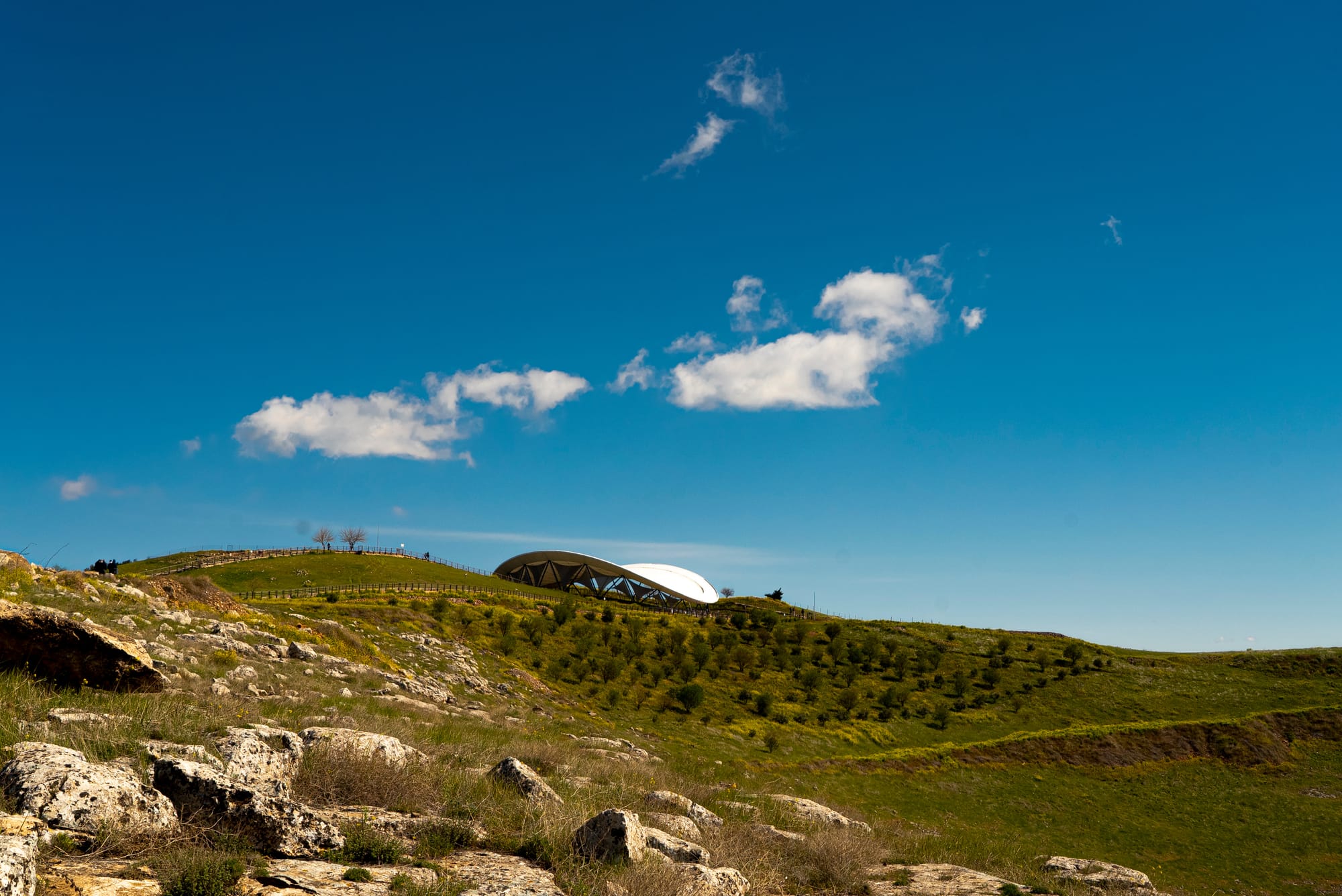
c. 10,000 BCE
Rising temperatures, retreating ice sheets, rising sea levels, Siberia separated from North America, continental shelves flooded.
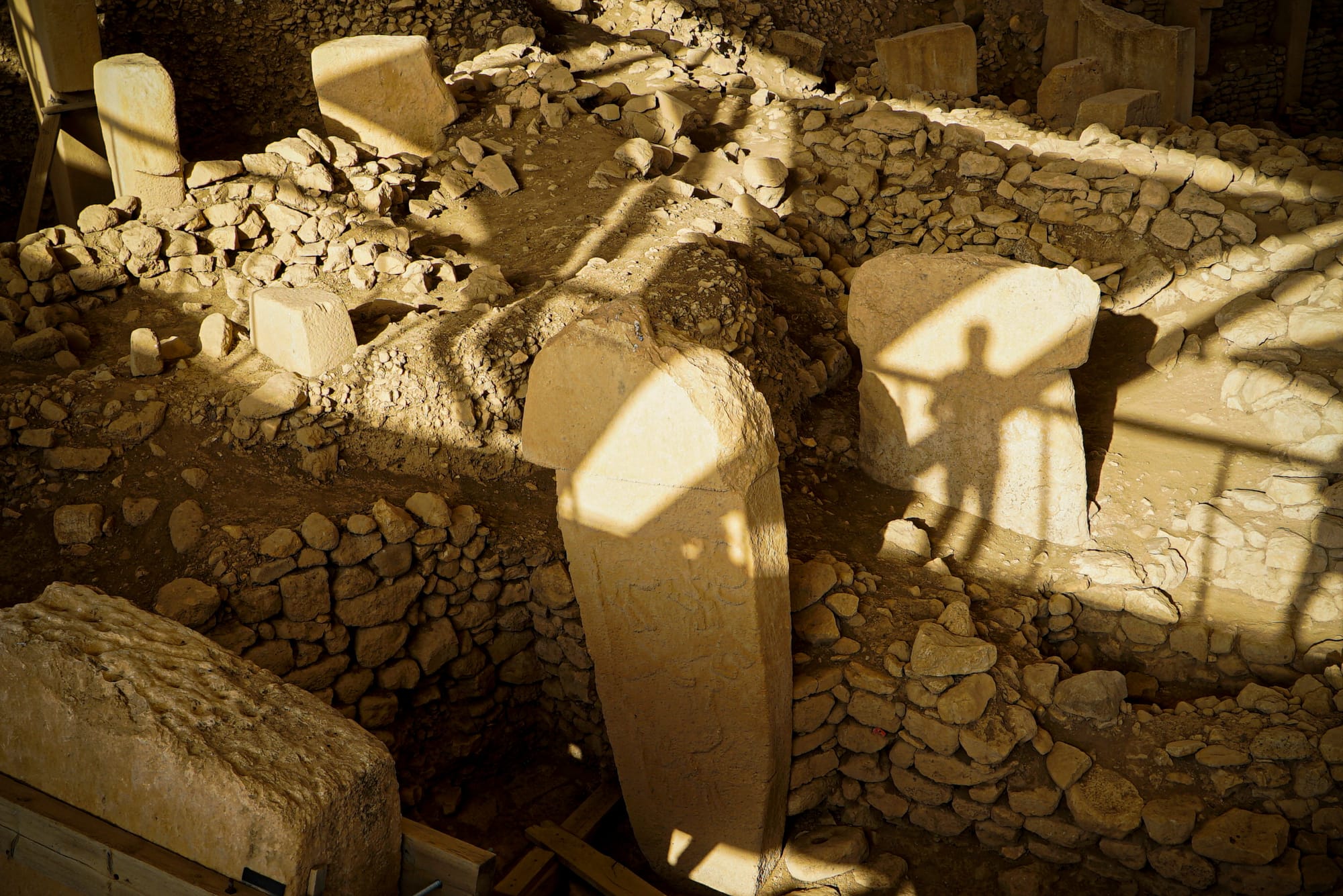
c. 10,000 BCE
First settled agriculture in Anatolia (Turkey), Middle East, and Mesopotampia. Evidence of early sheep and goat domestication in northern Mesopotamia.
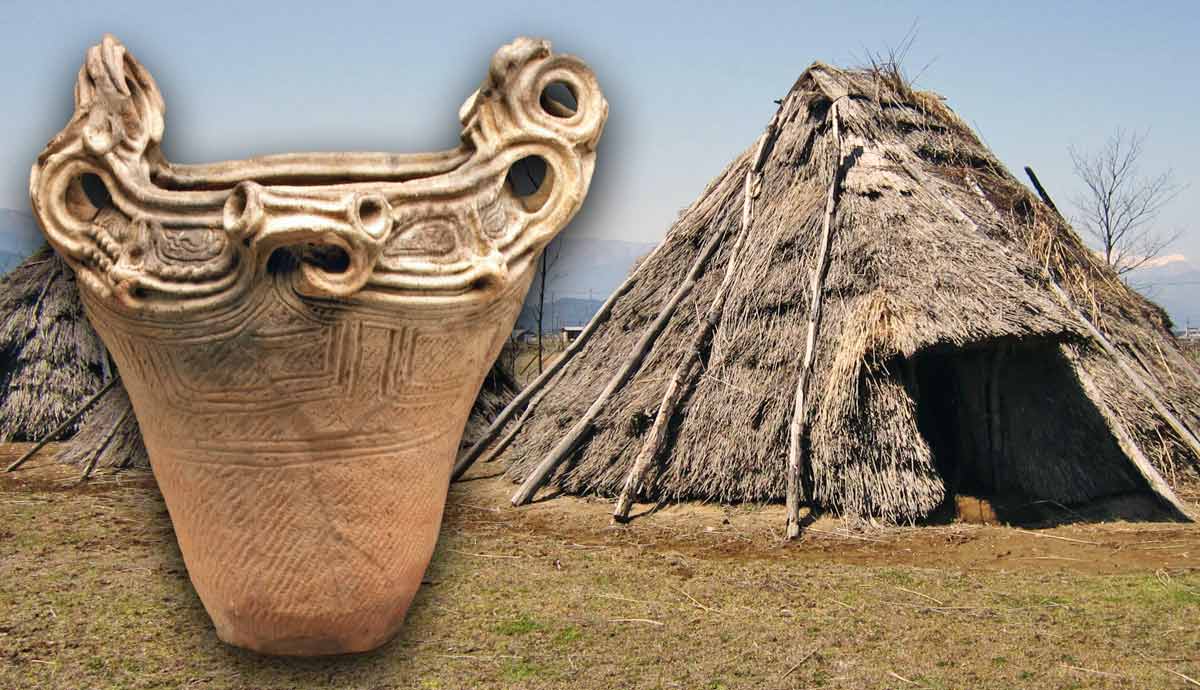
c. 10,000 BCE
Earliest potter from Jomon, Japan, heralds gradual revolution in transportation and storage of food.
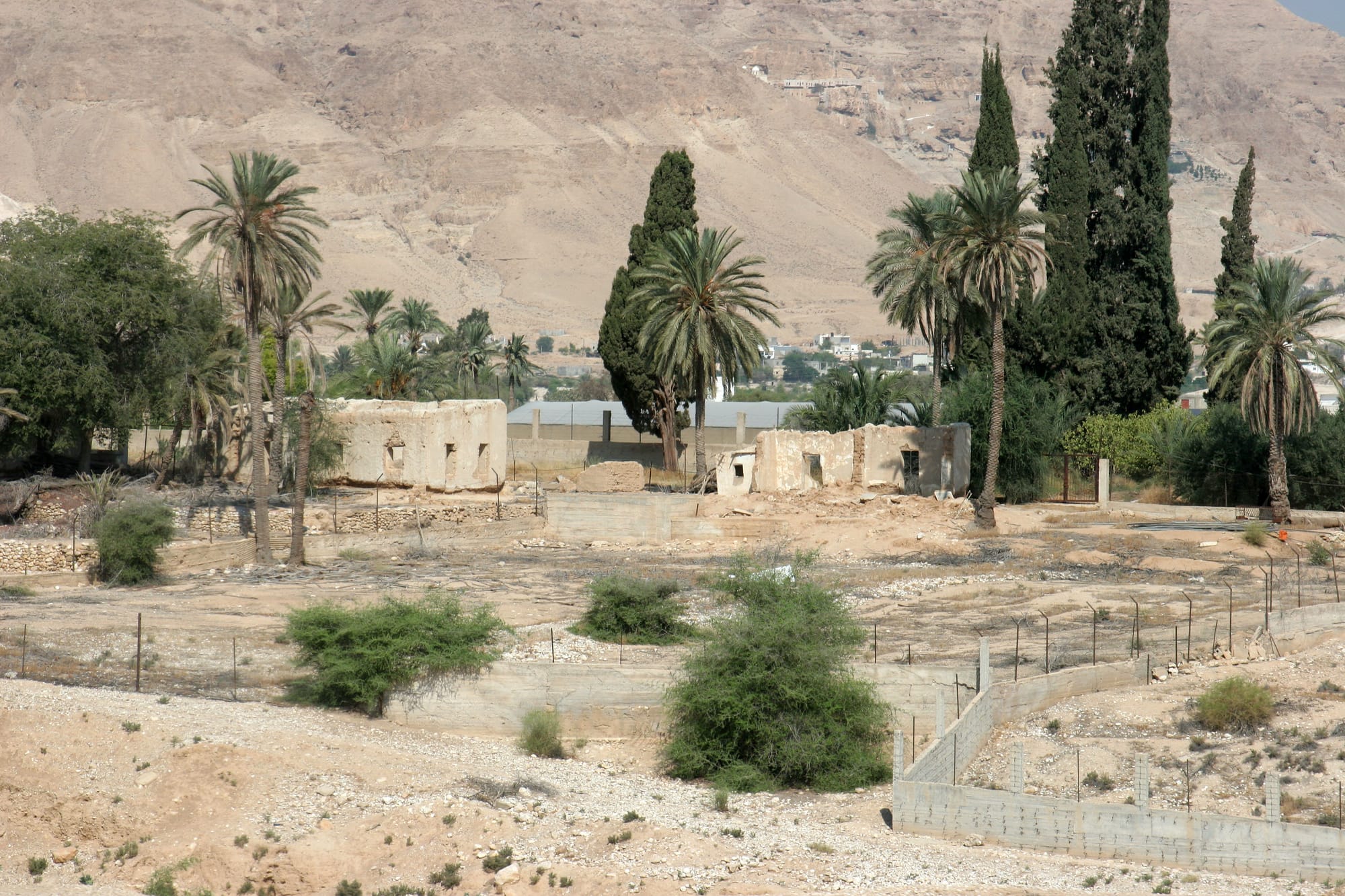
c. 8000 BCE
Foundation of Jericho, Palestine, the world's oldest continuously inhabited town.

c. 7000 BCE
First Chinese agricultural communities,, Yangzi Valley. Agriculture spreads to southeast Europe from modern Turkey.
c. 6500 BCE
Cattle successfully domesticated in North Africa, the Indus Valley, and Asia.
c. 5500 BCE
World's earliest irrigation system, Mesopotamia.
c. 5500-4500 BCE
Linearbandkeramik farming culture flourishes, Central Europe.
c. 5000 BCE
Copper first used in Mesopotamia; gold and copper artifacts produced in southeast Europe.
c. 5000 BCE
Corn cultivated in Ecuador and parts of North America. Cultivation of corn begins in Tehuacan valley, Central America.
c. 4500 BCE
Introduction of irrigation techniques in Indus valley. Horse domesticated in Central Asia.
c. 4000 BCE
First use of plow in Mesopotamia.
c. 3500 BCE
Emergence of world's first city-states in Mesopotamia; Uruk possibly the world's first city.
c. 3350 BCE
"OTZI THE ICE MAN" dies in the Alps.
c. 3200 BCE
First hieroglyphic script in Egypt. Evidence of use of wheeled transport in Sumer. Stone circles and rows of standing stones built in north and west Europe.
c. 3100 BCE
King Narmer completes unification of Upper and Lower Egypt and becomes first pharaoh. Nekhen, Egypt, an important trading town.